priority research area: (Re)EnergyTech
Research achievements
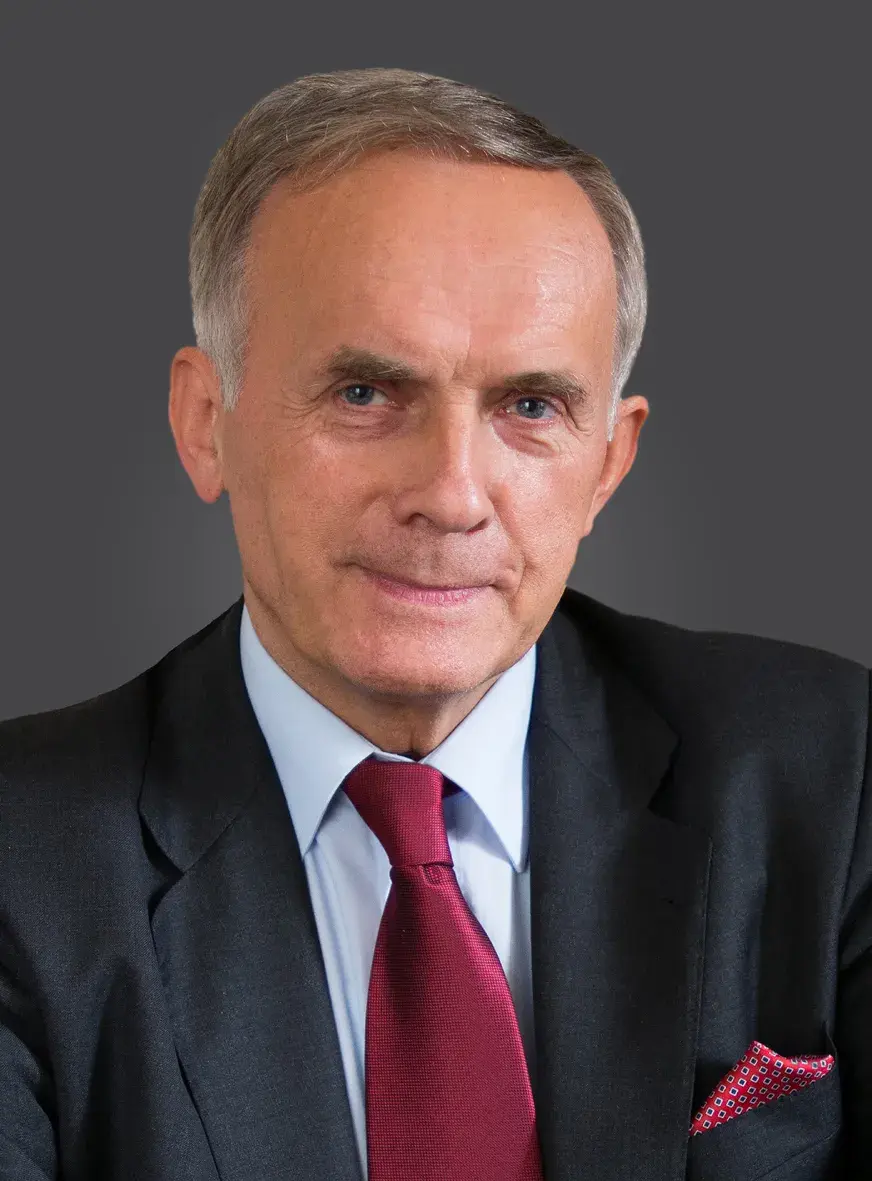
Professor Stanisław Ledakowicz, a research professor at the Faculty of Process and Environmental Engineering at Lodz University of Technology, is a distinguished specialist in the fields of chemical engineering, environmental biotechnology, and process engineering.
His scientific work focuses on the energy recovery of organic waste, including the production of biohydrogen, biogas, and volatile fatty acids. He conducts pioneering research into thermochemical methods of biomass and sewage sludge processing (pyrolysis, gasification, hydrothermal carbonisation), as well as advanced oxidation and membrane filtration methods in wastewater treatment.
The Professor has a significant academic track record, comprising over 300 publications in the SCOPUS database, a high citation count (over 9,000), and an h-index of 45.
Research profile and interests
Professor S. Ledakowicz’s primary research areas include reactor and bioreactor engineering, pro-environmental technologies (including waste management and industrial biotechnology), and carbon dioxide sequestration in the production of valuable bioproducts, such as phycocyanins using microalgae.
Professor Ledakowicz is currently focusing on integrated dark fermentation and hydrothermal carbonisation processes for wet food waste, as well as the development of advanced membranes for bioreactors.
Industrial cooperation, implementations, and expert activity
Professor S. Ledakowicz successfully bridges the gap between theory and industrial practice, which has resulted in numerous technology implementations, including installations for the biological removal of mercury from wastewater at Zakłady Azotowe S.A. in Tarnów and containerised installations for the drying and pyrolysis of sewage sludge.
He holds 16 patents, including his latest from 2025 concerning the purification of C-phycocyanin.
He also applies his expertise as a member of numerous advisory bodies, including the Committee of Chemical and Process Engineering of the Polish Academy of Sciences (PAN), the Engineering Academy in Poland, and the Council of Scientific Excellence.